Introduction
When it comes to maintaining your home, garage doors often don’t get the attention they deserve. Many homeowners take for granted the convenience of a garage door until something goes wrong. Unfortunately, garage doors can be prone to a variety of problems that can disrupt your daily routine. Understanding these issues and knowing how to address them is essential not only for your peace of mind but also for the security of your home.
In this article, we’ll dive deep into 5 common garage door problems and how to fix them. We’ll explore everything from misaligned tracks to malfunctioning sensors, providing you with insights that can save you time, money, and hassle. Whether you’re looking for garage door services or contemplating a garage door install, having the right information at your fingertips will empower you as a homeowner.
1. Misaligned Tracks: The Silent Saboteur
What Are Misaligned Tracks?
Misaligned tracks are one of the most frequent issues encountered with garage doors. Over time, wear and tear or even an accidental bump can cause the tracks to shift out of place. This misalignment can lead to frustrating situations where your garage door refuses to open or close properly.
Signs of Misalignment
How do you know if your garage door tracks are misaligned? Here are some telltale signs:
- The door makes grinding noises when operating. It appears crooked or hangs at an angle. The door stops midway during its operation.
How to Fix Misaligned Tracks
Fixing misaligned tracks may sound daunting, but it's quite manageable with some http://cashoini517.image-perth.org/why-professional-installation-matters-more-than-you-think basic tools:
Gather Your Tools: You'll need a socket wrench, pliers, and possibly some lubricant.
Inspect the Tracks: Check for visible bends or gaps between the track and roller.
Loosen Track Bolts: Using a socket wrench, loosen the bolts that hold the track in place.
Realign the Track: Carefully adjust the track back into alignment using your hands.
Tighten Everything Up: Once aligned, retighten all bolts securely.
Lubricate: Apply lubricant on the rollers and tracks to ensure smooth operation.
When to Call Garage Door Services
If you're not comfortable tackling this yourself or if multiple parts seem damaged, it may be best to call in professional garage door repair services.
2. Broken Springs: The Power Players
Understanding Garage Door Springs
Garage door springs are crucial components that provide tension necessary for opening and closing your door smoothly. However, springs wear out over time due to constant use and environmental factors.
Signs You Have Broken Springs
You might have broken springs if:
- Your garage door won’t budge at all. It opens partway then reverses direction immediately. There’s a noticeable gap in the spring coils.
Replacing Broken Springs Safely
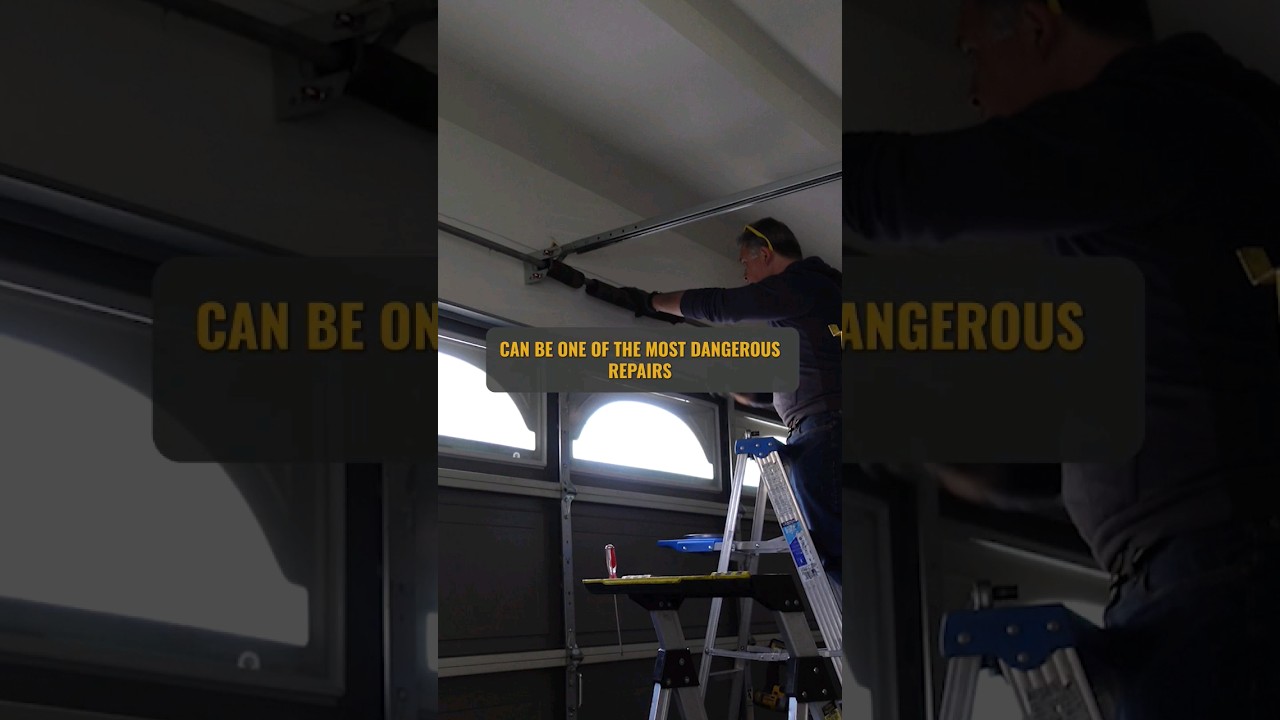
Replacing springs can be dangerous due to their high tension; however, here's how professionals typically handle it:
Disconnect Power: Always disconnect power before proceeding with any repairs.
Release Tension: Carefully release any remaining tension in both springs before attempting removal.
Remove Old Springs: Use appropriate tools like vice grips and wrenches for safe removal.

Install New Springs: Place new springs carefully following manufacturer instructions; ensure they’re properly tensioned.
Reconnect Power: Once everything is tightened up safely, reconnect power and test your system.
Professional Help vs DIY
While it’s possible for skilled individuals to replace springs themselves, mistakes can lead to serious injuries or damage. Hiring professionals who specialize in garage door repair ensures safety and proper installation.
3. Faulty Sensors: The Eye of Safety
What Are Garage Door Sensors?
Garage doors are equipped with sensors designed to prevent accidents by detecting objects (or people) in their path as they close downwards—an essential safety feature!
Common Issues with Sensors
Your sensors may be faulty if:
- The light on either sensor is blinking continuously. The door won’t close but opens normally. There’s debris obstructing sensor alignment (like dirt or spider webs).
How to Diagnose Sensor Problems
To troubleshoot faulty sensors:
Clean Both Sensors: Wipe off dust and debris from both sensors using a soft cloth.
Check Alignment: Ensure both sensors are facing each other directly without obstructions.
Test Functionality: Attempt closing your garage door again after adjustments—if it still doesn’t work…
When Is It Time for Replacement?
If cleaning and realigning don’t resolve issues, consider replacing sensors altogether which is often straightforward enough for many homeowners!
4. Noisy Operation: When Silence Is Golden
Understanding Why Garage Doors Make Noise
A noisy garage door is more than just an annoyance; it could indicate underlying issues requiring attention! Noises range from squeaks and rattles to clunking sounds—all signaling different concerns!
Common Causes of Noisy Garage Doors
Here’s what could cause noise:
- Lack of lubrication on moving parts Loose hardware like nuts or bolts Worn-out rollers needing replacement
How To Quiet A Noisy Garage Door
Want peace during operation? Follow these steps:
Lubricate Moving Parts Regularly: Use silicone-based lubricant on rollers and hinges every few months!
Tighten Loose Hardware: Inspect all nuts/bolts regularly so nothing vibrates loose over time!
3.Replace Worn-Out Rollers : If rollers show signs of wear (like cracking), visit local hardware store ASAP!
4.Check For Bent Tracks : Any bends must be fixed immediately since they contribute significantly towards noise levels!
5 Common Garage Door Problems And How To Fix Them
As we’ve explored various problems above—from misaligned tracks requiring simple adjustments all way through complex spring replacements—it’s crucial always remain vigilant about maintenance practices! Regular check-ups help identify potential issues ahead while preserving longevity & functionality throughout years ahead!
FAQs About Garage Doors
1. What should I do if my garage door won't open?
If your garage door won't open:
- Check for power supply issues. Inspect remote batteries. Examine safety sensors for obstruction.
If none resolves issue consult professional repair service ASAP!
2. How often should I lubricate my garage door?
Ideally every three months! Regular lubrication keeps moving parts functioning smoothly while reducing wear over time!
3. What types of materials can I choose from when installing a new garage door?
You have options like wood (for aesthetics), steel (for durability), aluminum (lightweight), fiberglass (resistant). Choose based on preferences!
4. How long do typical garage doors last?
Most last between 15–30 years depending on usage frequency & maintenance practices adopted consistently over time!
5. Should I attempt repairs myself?
If confident in basic mechanical skills & tools available—sure! However for complex repairs involving heavy lifting/spring replacement—always seek professional help instead!
Conclusion
In conclusion, understanding these 5 common garage door problems equips homeowners with valuable knowledge that could save them time & money down road! Remember regular maintenance checks make world difference preventing bigger headaches later; whether handling minor fixes alone or relying upon trusted garage services, staying informed allows everyone enjoy seamless access through their garages without worry!
Don’t forget—keeping those rolling mechanisms oiled up regularly prevents loud disturbances while ensuring smooth operations day-in-and-day-out! After all who wouldn’t want peace around their homes? So next time you hear that dreaded creak from below—or notice strange behaviors happening—you’ll know exactly what steps need taking before matters escalate further… Happy repairing!